
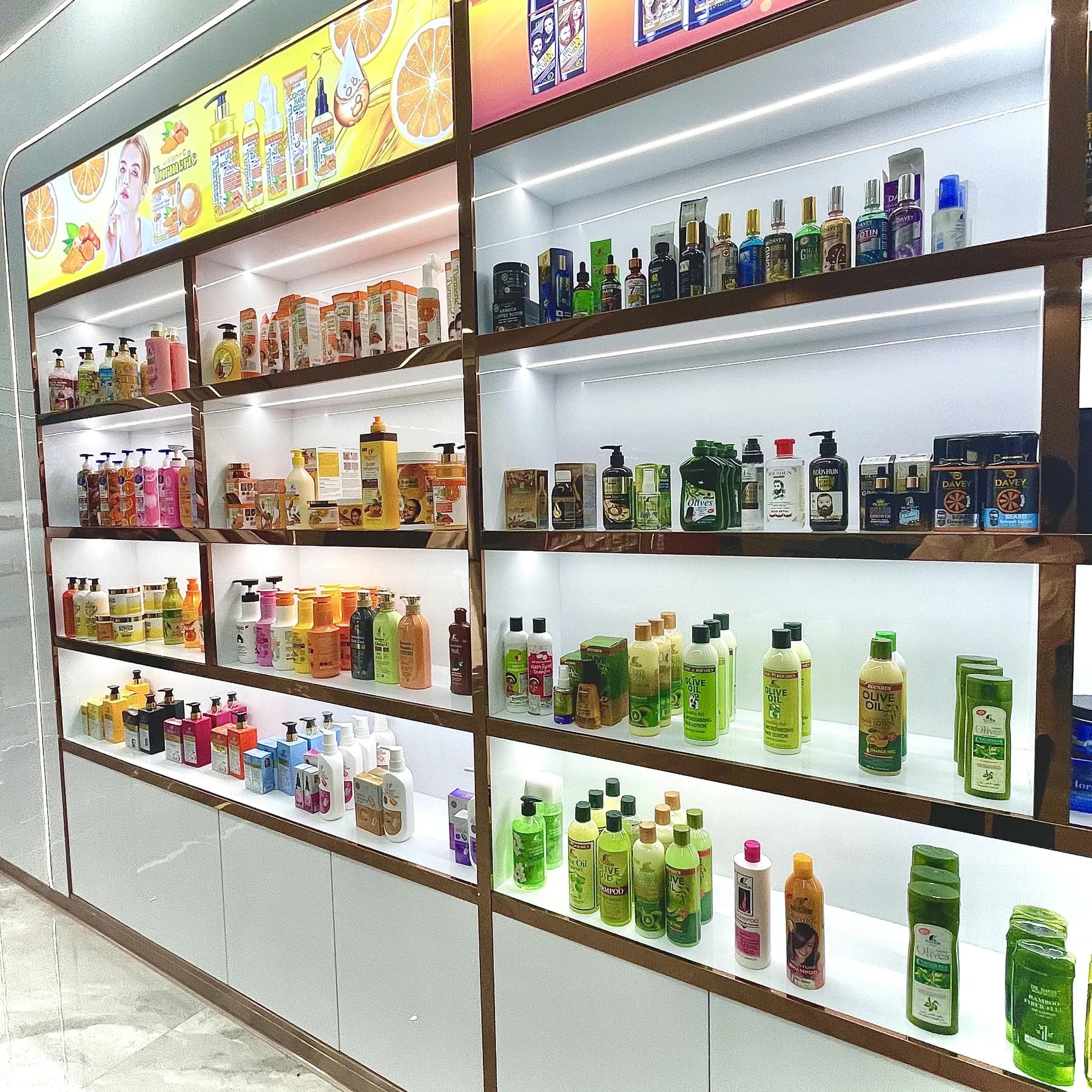
A cosmetics quotation becomes comparable only when the product-and-pack basis is clear. Bottle or jar is not a complete specification: fill size, product-contact material, neck finish, closure, dispenser, colour, decoration, label, carton and shipping configuration can each change sourcing and production work. A buyer does not need every detail finalized before the first discussion, but the supplier must know what is fixed, what is preferred and what remains an assumption.
ISO 22715 addresses packaging and labelling requirements for cosmetic products, while destination-market rules determine the label content that applies to the final item. Distribution-test procedures such as those published by ISTA evaluate different levels of product-and-package transport risk. These references support disciplined planning; they do not prove that a chosen component is compatible or transport-ready without review of the final combination.
Define the primary pack and fill basis
Start with the product format, intended net content and preferred container type. State whether the pack will be used in a bathroom, shower, travel set, salon, hotel or retail shelf context. The use setting affects dispensing, wet handling, closure expectations and the space available for required information.
A reference image is useful for shape and positioning direction, but it does not reveal resin, wall thickness, neck finish, pump output or decoration process. Ask the supplier to identify which component characteristics are confirmed and which remain provisional. If several fill sizes are planned, list the quantity and artwork version for each SKU.
Match closure and dispenser to product behavior
Describe how the consumer should take out and apply the product. A pump, flip-top cap, disc top, sprayer, tube or jar creates a different dose and handling experience. Product viscosity, suspended particles, fragrance system and expected use can affect the suitable dispensing route.
Review samples with the intended dispenser whenever possible. A formula that looks acceptable in a lab jar may feel different when a pump delivers a smaller dose or when a tube opening changes product control. Record the component supplier and revision used for review so a visually similar substitute is not treated as the same approved pack.
Choose a stock or custom component route
Ask what the factory means by stock. A catalogue component may be a standard mould but still require a new production run, colour matching, decoration or minimum purchase. A custom colour, coating, mould or combined closure can create a distinctive result, but it adds specifications, proofs, component sampling and procurement dependencies.
Separate the base component from customization. Record whether the quotation assumes a standard colour, custom colour, label, direct printing, hot stamping, coating or carton. If a custom route is not yet approved, request a clearly named reference option instead of allowing an unstated assumption to enter the price.
Plan decoration and artwork as production inputs
List every visible component and every artwork version. A bottle may require a label or direct print, a cap may have a different colour, and an individual carton may need its own finish and language version. Clarify who supplies dielines, who checks technical fit and who owns the destination-market label review.
Artwork approval should identify revision, dimensions, colour reference, finish and print method. Visual approval on a screen does not confirm print colour, adhesion, scuff resistance or legal sufficiency. Ask which proofs or component samples will be reviewed before bulk decoration and which variations are normal for the chosen process.
Discuss compatibility and transport review
Formula, component and distribution route must be considered together. Product-contact compatibility, dispensing performance, closure integrity and decoration durability can be affected by the final formula and storage conditions. A test result for another formula or a visually similar component should not be assumed to cover the proposed combination.
Transport review should reflect how the finished units will actually be packed and distributed. Screening tests, partial simulations and broader distribution simulations answer different questions. Agree which configuration will be reviewed, what constitutes acceptance and when a formula, component or route change should trigger reconsideration.
Send one packaging basis with the quotation request
- Product format and provisional formula or viscosity direction
- Net content and quantity for each SKU
- Container type, material direction and product-contact requirements
- Closure, dispenser and expected consumer dose
- Stock or custom component preference
- Component colours, decoration methods and artwork versions
- Individual carton, insert and shipping-case assumptions
- Destination market, languages and planned sales channel
- Sample, compatibility and transport questions
- Buyer-supplied components or nominated vendors
Compare inclusions, exclusions and open variables
Place supplier quotations side by side only after confirming they contain the same component set, decoration, carton, testing assumptions, quantity per SKU and delivery basis. A lower number may exclude a pump, print process, carton or review step that another supplier included. Ask each supplier to state alternatives separately rather than blending them into one unexplained unit price.
King Metis reviews packaging direction with the formula, sampling and production brief. Final component suitability, sourcing, commercial terms and timing depend on the approved specification, destination market and order context.