
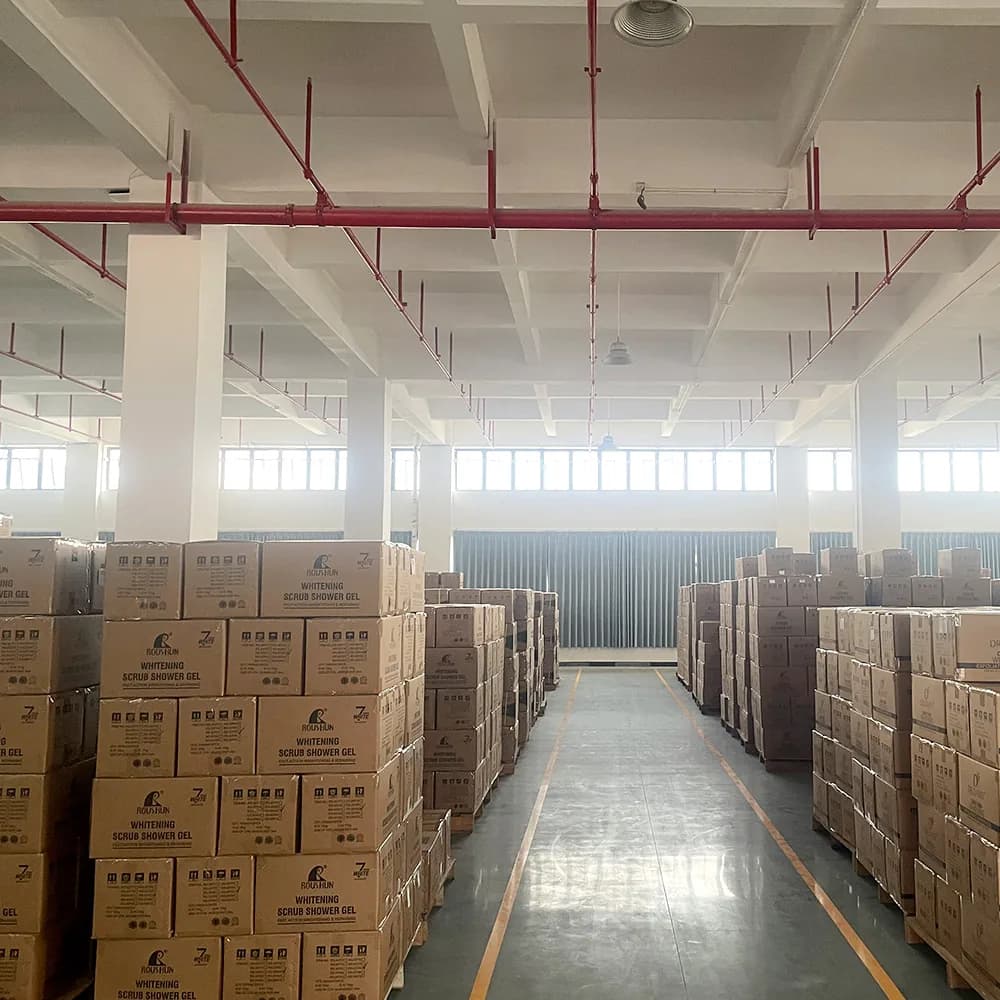
A body lotion project does not move through one uninterrupted manufacturing clock. It moves through connected decisions: the brief defines the formula and pack questions; samples create approvals or revisions; components and artwork need their own references; materials must be ready before production; and the finished batch follows review and release. A delay or change at one gate can affect later work.
Build the schedule as a dependency map instead of asking for one universal lead time. Some activities can overlap, while others should wait for an approved input. The exact sequence depends on development route, packaging, destination market, SKU count and the evidence agreed for the final product.
Gate 1: align the product and commercial brief
The starting brief should state body lotion format, market, intended user, formula direction, sensory target, fragrance route, quantity by SKU, fill size, packaging preference and desired delivery context. Mark fixed, preferred and open inputs. Name buyer and factory owners for formula, packaging, artwork and commercial decisions.
If the brief remains ambiguous, later dates are built on assumptions. Ask the supplier to repeat its starting basis and list missing decisions. The first timeline should show which activities can begin and which remain conditional.
Gate 2: select the formula-development route
An existing direction, adjusted base and new formula discussion create different sample and review work. Agree what the first sample is intended to decide and which pack will be used. If ingredient, fragrance, colour or proposed claims are open, identify the order in which they will be narrowed.
Use coded samples and consolidated feedback. Each revision should record what changed and which related decisions may need reconsideration. A sample round that combines several uncontrolled changes is difficult to assess and can create extra work rather than moving the project forward.
Gate 3: establish the provisional component basis
Choose container type, fill size, product-contact material direction, closure and dispenser before final formula approval where possible. Ask whether the components are current stock, standard items made to order or custom. Identify colour, decoration, label and carton routes.
Formula and component work should exchange information. Viscosity affects dispensing; the component affects dose and sample experience; the formula-and-pack combination informs compatibility questions. A late pack change can require a new filling, sensory or compatibility review.
Gate 4: plan compatibility and distribution questions
Agree which observations or evaluations apply to the final formula and component combination and what acceptance means. If the distribution route or case pack is not yet known, mark the transport plan as open rather than treating a component sample as finished-system evidence.
Product-testing needs depend on the product and available information. Keep safety, stability, microbiological, compatibility and distribution questions distinct so the team knows what each activity is intended to answer and when its input is available.
Gate 5: develop artwork on the controlled pack
Artwork needs a confirmed dieline, component area, decoration method, formula-related ingredient information and destination-market input. Language versions and SKU count should be visible. Design can begin earlier as a concept, but final production files should be tied to the approved component and product information.
Record revision and approval owner. If formula, fragrance, claims or responsible-party information changes, assess whether artwork and printed components are affected. A visually approved file is not automatically the final technical or market-approved file.
Gate 6: confirm material readiness and production basis
Before production planning, align approved formula, sample reference, packaging specification, artwork revisions, quantity allocation and required materials. Ask which inputs are ready, ordered, in inspection or still open. Component procurement and decoration may have separate readiness dates.
The factory can then identify an appropriate production route and schedule against actual capacity and materials. Avoid reserving a date on a formula or pack that may still change without recording the risk and conditions.
Gate 7: manufacture, pack and release
Production includes weighing, compounding, in-process checks, transfer, filling, coding, labelling, packing and the agreed finished-product review. Batch and component identity should connect to the approved references. Deviations or non-conforming materials follow their own review rather than being solved by the calendar.
Release depends on the controls and records agreed for the project. Shipment preparation begins after the relevant product, pack, documentation and delivery conditions are satisfied. Do not describe production completion and release for shipment as the same event without confirmation.
Use a dependency-based timeline checklist
- Brief inputs confirmed and open assumptions listed
- Formula route selected and first sample decision defined
- Sample reviewers and approval owner named
- Provisional container, closure and dispenser identified
- Custom component, decoration and carton work mapped
- Compatibility, product and distribution questions assigned
- Dielines, product information and artwork versions controlled
- Formula, sample, component and artwork changes recorded
- Material readiness checked before production planning
- Production, release and shipment preparation treated as separate gates
- Buyer actions and supplier actions each have owners
Update the schedule when a decision changes
Do not simply move the final date. Identify which downstream activity is affected by a formula, component, quantity, artwork or market change. Some changes may only require a document update; others may return the project to sample or compatibility review. A visible dependency map makes the effect understandable.
King Metis coordinates formula, packaging, sampling and manufacturing discussions through one project brief. Final timing is confirmed against approvals, material readiness, production planning, quality review and shipment requirements for the specific order.