
Layer A
Factory-system information
Intertek-assessed GMP and ISO 22716 certificate information can be provided for supplier due diligence. Scope and validity should be reviewed against the current document.
Quality & R&D
King Metis connects product requirements, sample feedback, packaging decisions and document questions before a project moves into bulk manufacturing.
The exact review path depends on the formula, pack, destination market and order context. No single test list or document set is presented as universal.
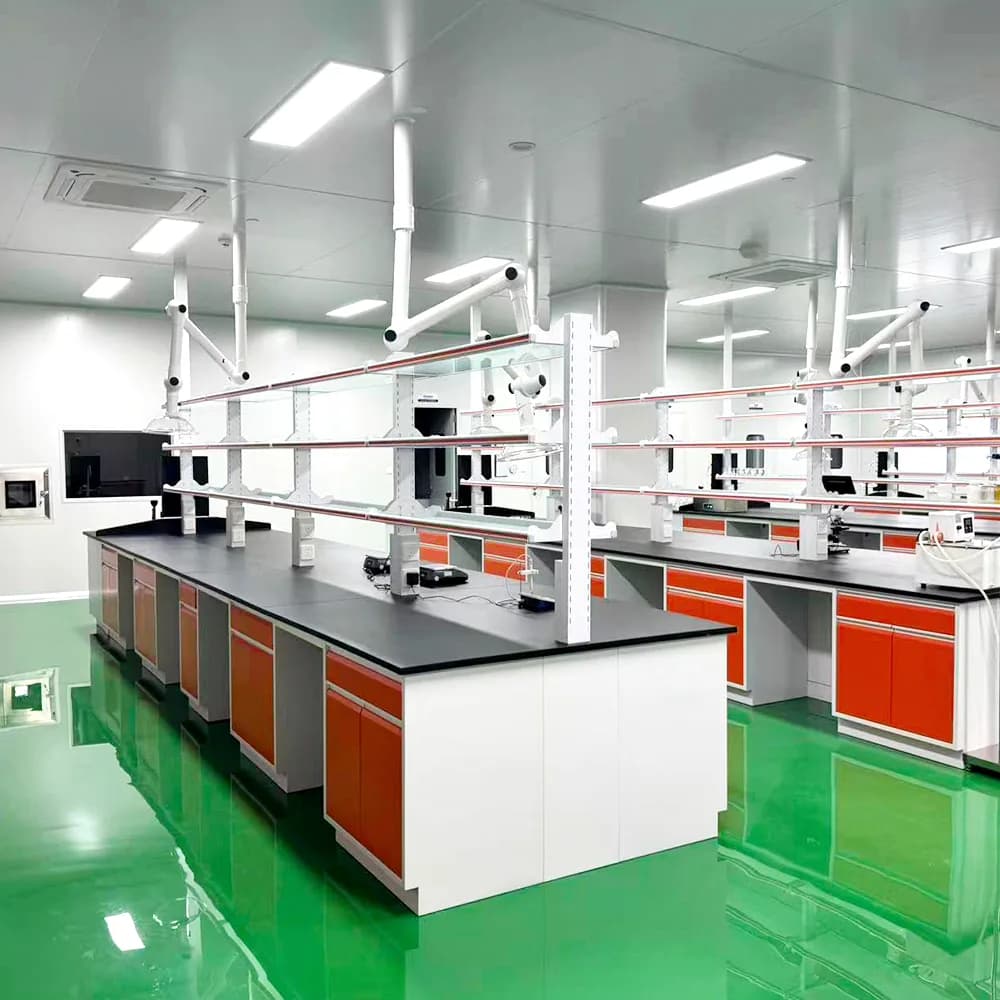
Review sequence
This sequence gives sourcing and quality teams a shared set of decision points. The applicable checks and records are confirmed within the project, not assumed before the brief is known.
Category, destination market, intended positioning, formula direction, packaging and required documents create the review basis.
Review basis
The team clarifies ingredients, texture, fragrance, colour, claims boundaries and market-specific questions before sampling.
Formula direction
Sample feedback is recorded against the agreed brief so changes remain tied to the intended product.
Sample record
Stability, compatibility, microbiological or physical-parameter discussions are scoped where relevant to the formula, pack and market.
Project-specific plan
The approved sample, packaging basis, quantity, quotation and timing are aligned before bulk production.
Approved basis
Production communication and any applicable product-specific documents follow the confirmed formula and order context.
Order context
What buyers can review
Clear boundaries reduce the risk of a factory-level document being mistaken for a product-specific conclusion.
Layer A
Intertek-assessed GMP and ISO 22716 certificate information can be provided for supplier due diligence. Scope and validity should be reviewed against the current document.
Layer B
Formula direction, sample feedback, pack choice, quantity and quotation must refer to the same confirmed project.
Layer C
MSDS, COA and other relevant records depend on the applicable formula, sample, market and order. They are not universal files for an unconfirmed inquiry.
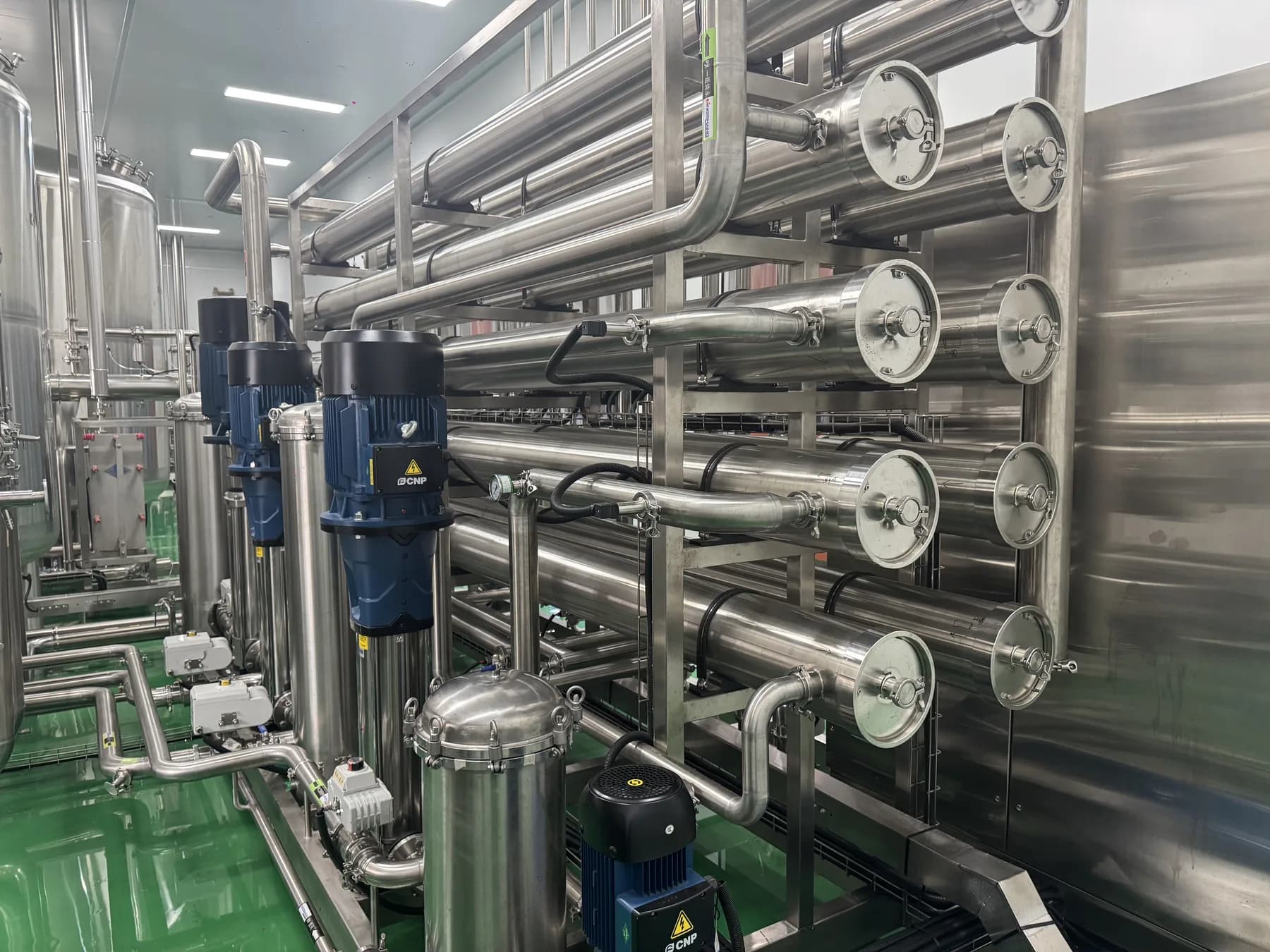
Preparation matters
Start a quality conversation
Include the destination market, formula direction, packaging, project stage and document questions so the team can scope a useful review.
Send your brief