
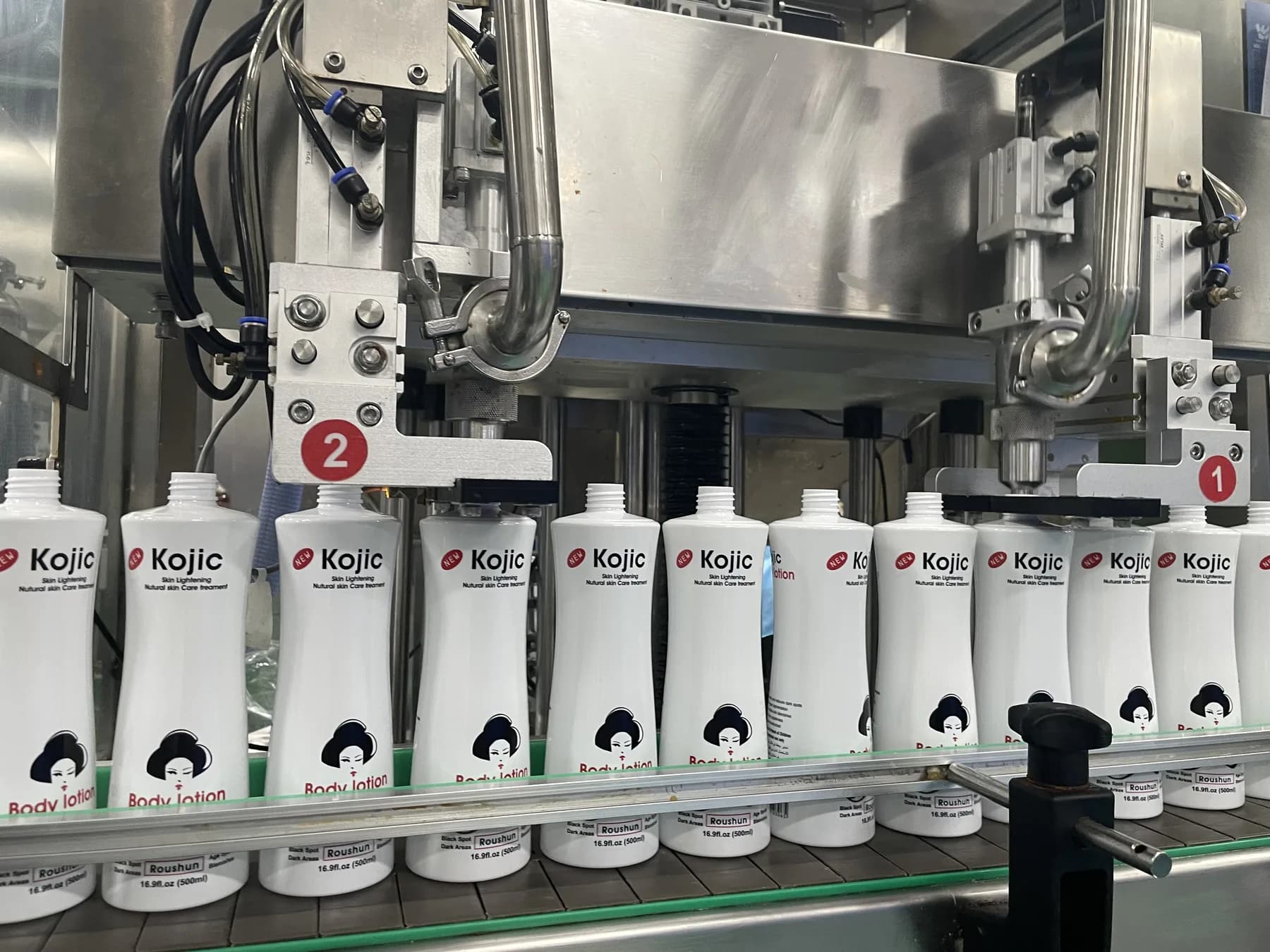
Body lotion samples are often reviewed in a simple lab jar even when the intended product will use a pump, tube or flip-top bottle. That can be acceptable for an early formula discussion, but it does not show the complete application experience. Dose, pickup, dispensing force, closure handling and pack protection all depend on the component used.
Before sampling, the buyer should define a provisional pack basis. It does not have to be the final decorated component. It should be specific enough for the factory to understand fill size, product-contact format, dispensing method, use setting and the component decisions that remain open.
Choose the container format from consumer use
Describe where the lotion will be used and how it should be applied. A bedside pump, travel tube, bathroom bottle, salon backbar pack and gift-set mini create different handling and presentation needs. Note whether the consumer will use one hand, handle the pack with wet hands or carry it in a bag.
Select a provisional bottle, tube, jar or other format and state the target fill. A reference image communicates shape but not material, neck finish, wall construction or closure details. Ask the supplier to name the exact component used for a sample or filling trial.
Define closure and dispensing behavior
State the intended dose, number of actions and level of control. A pump may deliver a repeatable amount, while a tube or flip-top bottle places more control with the consumer. Viscosity and suspended material can affect whether a component dispenses cleanly and whether product remains in the pack.
Review priming, output, shutoff, leakage signs, cap handling and product buildup during the agreed evaluation. A visually similar pump can have a different output or internal design, so record component identity rather than approving by appearance alone.
Decide what stock and custom mean for this project
Ask whether a stock component is physically available, a standard mould made to order or a standard item that still needs colour and decoration production. Identify the base component separately from customization. A custom colour, coating, print or mould can add proofs and procurement work even when the pack shape is familiar.
If the final choice is not ready, select one neutral reference component for the sample and quotation. Keep alternative routes visible with their own assumptions. This prevents a custom presentation from being implied by a standard-component price.
Put decoration and artwork on the component map
List label, direct print, hot stamping, coating, component colour and carton requirements. Note how many SKUs or languages need unique artwork. Ask who supplies dielines, who checks technical fit and which party reviews required market information.
The formula sample does not need final artwork, but the team should know the likely decoration area and component process before designing. A label panel, curved bottle or small tube can constrain layout. Late changes to the pack can make finished artwork unusable.
Discuss product-contact compatibility early
FDA information on microbiological safety notes that packaging can affect product protection from contamination. The buyer and factory should review the final formula and product-contact component together rather than relying on another product's result. Material, closure, dispenser and expected storage or use can matter.
Ask what compatibility observations or studies are appropriate for the final combination and who defines acceptance. If the formula or component changes, identify which review must be repeated or extended. Avoid declaring a material universally suitable for body lotion.
Plan the transport configuration
Transport evaluation should reflect the finished product-and-package system, including closure, carton, case packing and distribution route. ISTA distinguishes screening, partial simulation, general simulation and tailored approaches; the relevant choice depends on the hazards and question being reviewed.
Record whether the sample stage is evaluating appearance, basic leakage behavior, dispensing or the complete distribution configuration. A single component sample should not be presented as proof of shipment performance for a final packed case.
Use a pre-sampling component matrix
- Product format, provisional viscosity and intended use setting
- Target fill and number of pack sizes
- Container type and product-contact material direction
- Neck finish, closure and dispenser reference
- Intended dose, priming and consumer handling
- Stock, made-to-order or custom component status
- Component colour, decoration and artwork versions
- Individual carton and shipping-case assumptions
- Compatibility question and agreed acceptance owner
- Transport configuration and distribution route still to be reviewed
- Exact component used for each formula or filling sample
Record what the first sample can and cannot approve
State whether the first sample is for formula sensory direction, dispenser interaction, appearance or a combined review. If the final component is not used, mark pack approval as open. When the component changes, update the sample record and affected quotation or timeline assumptions.
King Metis can review body lotion formula and packaging direction together. Final component suitability, compatibility, transport work and commercial terms depend on the approved formula, pack and distribution context.