
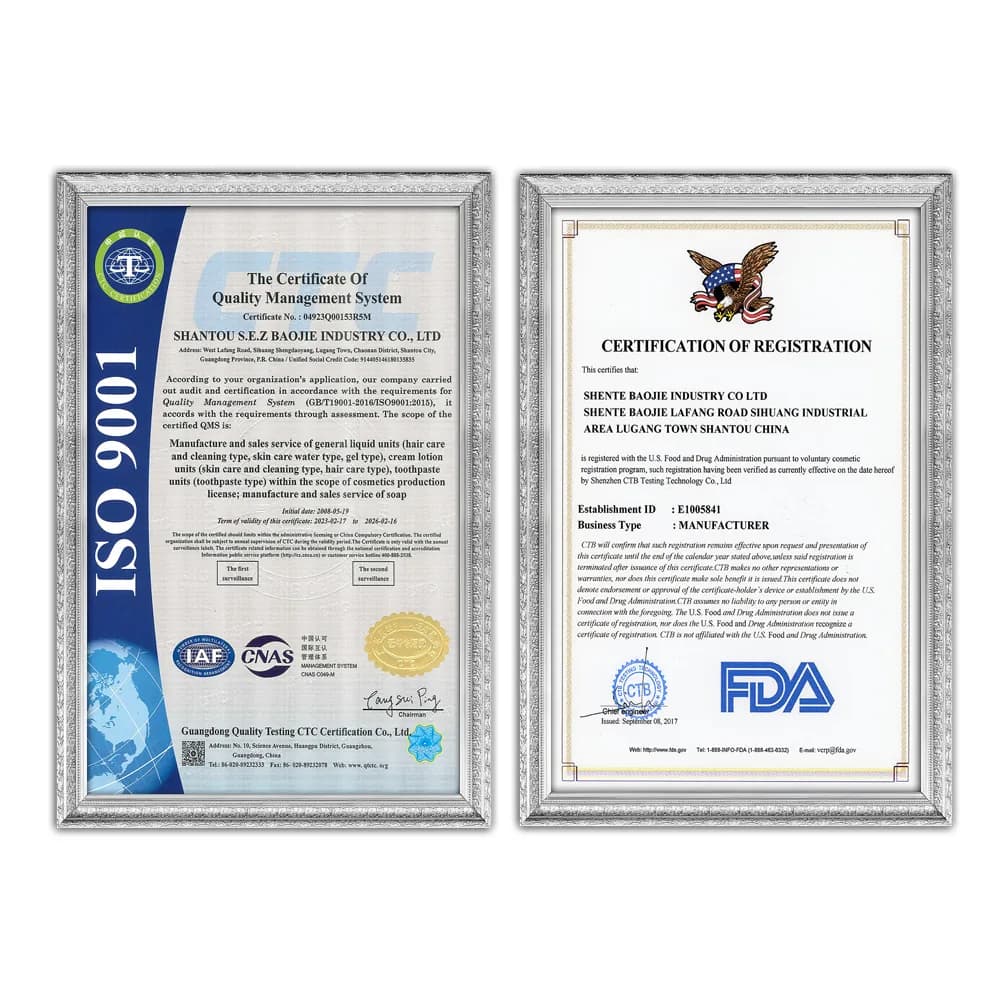
Quality documents are most useful when the buyer knows which decision each one supports. Asking for all certificates at the first contact creates a large file list but does not show whether the manufacturer, formula, component or batch fits the project. Some records exist during supplier review; others cannot exist until a formula, artwork or production batch is confirmed.
Organize requests by project stage and evidence identity. For every item, record the holder or product covered, revision, date, purpose, supplier owner and buyer reviewer. This article maps the conversation; the related GMP and ISO 22716 guide explains how to review system claims in more depth.
Stage 1: supplier identity and facility review
Begin with legal company name, manufacturing address, invoicing entity and the activities performed at the site. Review relevant quality-system certificates or assessment information by holder, address, standard, scope, issuer and validity. Ask which site will compound, fill and pack the proposed products.
Discuss redacted examples of operating records where appropriate, such as material status, approved instructions, cleaning, line clearance, deviation handling and release. A facility document supports supplier review; it does not certify a future formula or batch.
Stage 2: formula and sample discussion
Once a formula direction exists, ask which ingredient, formula and safety information can be connected to that revision. Record sample code, formula reference, fragrance, colour, sensory target and intended use. If the sample is only a reference base, mark it accordingly.
Ingredient supplier information, formula specifications and planned product evaluation answer different questions. Request the document title and product identity rather than using COA or safety data as generic terms. Some final files may depend on the approved formula and destination market.
Stage 3: packaging and compatibility planning
Identify the primary component, material direction, neck, closure, dispenser, decoration and carton. Keep component specifications, colour approvals, dielines and artwork proofs connected to exact revisions. If the component is buyer-supplied, define incoming information and acceptance responsibilities.
Discuss what compatibility or transport work is appropriate for the final formula-and-pack and distribution configuration. Record protocol or review purpose, acceptance owner and the change conditions that require reconsideration. A report for another product or component should not be assumed to cover the new combination.
Stage 4: artwork and destination-market file
Final artwork depends on the product identity, ingredient information, net content, directions, warnings or precautions where applicable, responsible-party details and market-specific requirements. Identify the party responsible for regulatory or market review and keep approved artwork tied to formula and component revisions.
For the United States, FDA states that facility registration and product listing are not a cosmetic approval program. For the European Union, responsible-person, safety-report, product-information and notification duties apply to the final product. Other markets need their own current route. Avoid using one registration or certificate as universal approval language.
Stage 5: pre-production control
Before production, align approved formula, sample reference, packaging specification, artwork, quantity allocation and instructions. Review material readiness and status, component identity and any open deviations. The production basis should show which revisions are authorized.
Ask what the batch record will capture: material lots and quantities, processing steps, in-process checks, transfer, filling, coding, packing and responsible review. The buyer may see a redacted template earlier, but the order-specific record is created through production.
Stage 6: batch review and release
Finished-product results, batch records, inspection records and release authorization should identify the produced lot and specification. A certificate of analysis, where part of the agreed project, must be read for product identity, batch, tests, specifications, results, date and authorized issuer. Do not substitute a sample or another lot.
If a deviation occurs, record what happened, which product or component is affected, the review and the disposition. Release is a controlled decision based on the agreed system and product requirements, not simply the moment filling stops.
Stage 7: shipment preparation
Shipment documents depend on delivery terms, destination, product classification and logistics arrangements. Discuss packing list, commercial invoice, case marks, product or batch information and any agreed market or transport records with the responsible logistics and compliance parties.
Keep shipment documents connected to the released goods. Verify names, quantities, lot references and addresses against the order. Do not request a fixed universal package of export documents without considering destination and product.
Use a project-stage document matrix
- Document name and the decision it supports
- Entity, site, ingredient, formula, component or batch covered
- Revision, issue date, validity and responsible issuer
- Stage when the underlying evidence can exist
- Supplier owner and buyer or market-side reviewer
- Required language and file format
- Related formula, sample, component or artwork reference
- Acceptance question or open clarification
- Change that requires the document to be updated
- Date needed for the next project gate
Avoid three common document mistakes
First, do not treat a system certificate as final-product evidence. Second, do not accept a generic example as the order-specific record. Third, do not ask for a batch document before production and then assume the absence proves a supplier gap. Ask what should exist at the current stage and what will be generated later.
A smaller, well-identified file set is more useful than a folder of unrelated certificates. It lets the buyer see which decision is supported, which responsibility remains open and whether the project can move to the next gate.
King Metis can discuss facility, formula, component, batch and shipment document needs against a confirmed personal care project. Availability, format and relevance remain specific to the product, market and order stage.