
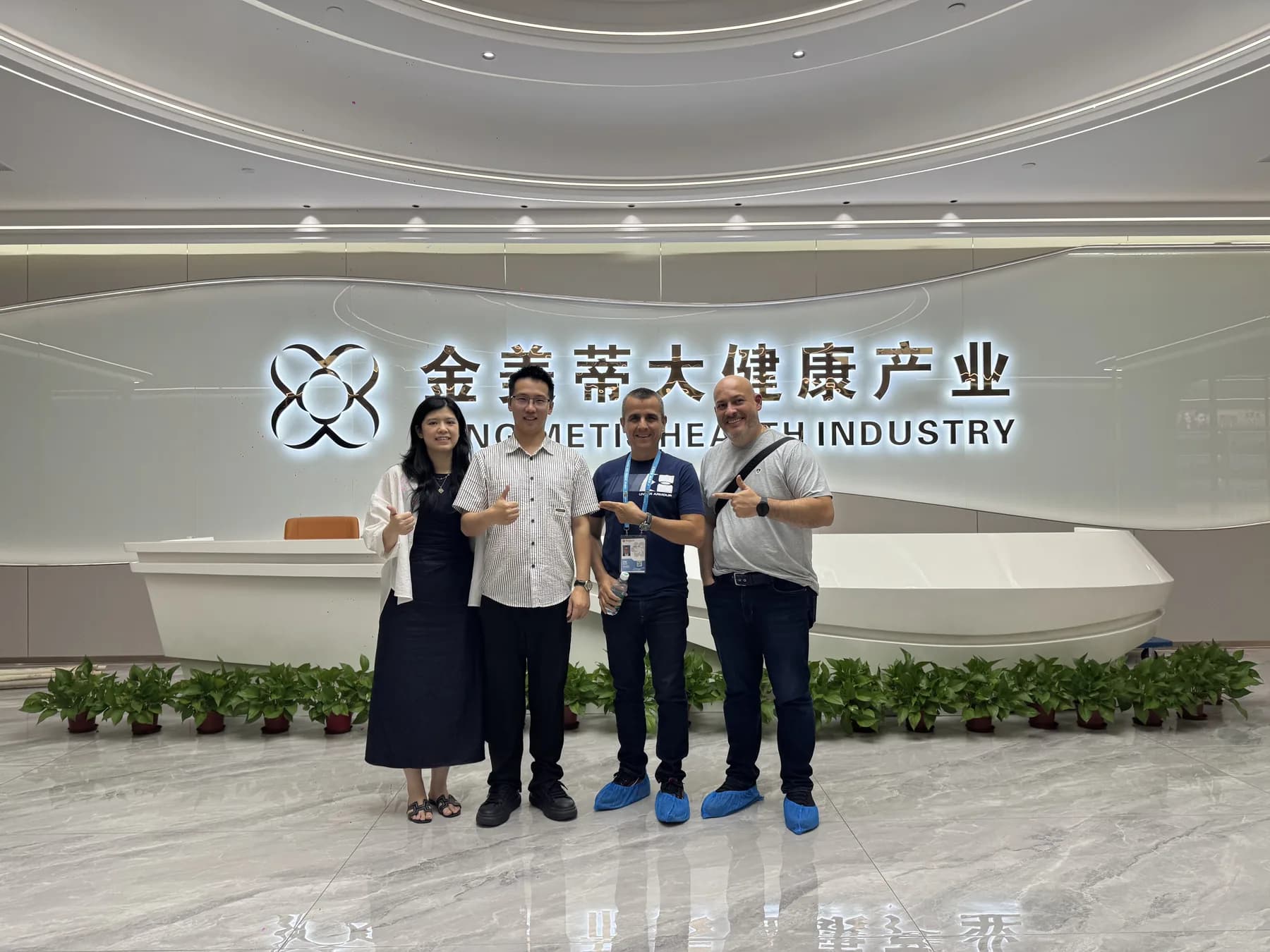
A factory and showroom visit should help a buyer make decisions that are difficult to close through photographs and messages. It can clarify product direction, compare physical packaging, connect a proposed format to a production route and establish which evidence must follow. Without an agenda, however, a visit can become a broad tour with no controlled project output.
Prepare around the actual project. Send the product categories, quantities, destination markets, benchmark references, packaging questions and desired decisions before travel. Ask the host which activities can be viewed, which records can be discussed and which samples or components should be prepared. This gives both teams time to bring the right people and information.
Define the decisions before booking the visit
Write a short objective for each planned SKU or category. Examples include narrowing a lotion texture, choosing between pump formats, reviewing a coordinated body care set or understanding how the approved sample reaches production. Mark which decisions can be made on site and which require later formula, component or market review.
Name the visitors and their roles. A commercial owner can discuss quantity and scope, while a product or brand owner can consolidate sensory and presentation feedback. If one person cannot approve a decision, agree how the absent approver will receive and respond to the visit record.
Use the showroom to narrow direction
Showroom products and packs make conversations concrete. Compare container scale, dispensing, closure feel, decoration, colour and how multiple SKUs sit together. For formulas, note the sensory characteristic being discussed rather than asking for an exact copy of a displayed product.
Photograph or code every selected reference so the follow-up team knows what was meant. Record which part of the reference is relevant: bottle shape, pump, label layout, fragrance family, viscosity or finish. A showroom item is not automatically a current stock item, approved formula, final quotation or market-ready product.
Trace one project through the factory
Follow the proposed path from material receipt and status control to weighing, compounding, transfer, filling, coding, labelling, packing and finished-goods release. Ask which equipment range fits the product and quantity. Look for how product and material identity are maintained, how changeovers are controlled and how non-conforming items are separated.
Connect each observed area to a question. A large vessel matters only if it is relevant to the likely batch. A filling line matters only if it can handle the proposed formula and component. The purpose is to understand the planned route and its control points, not to count machines.
Separate system evidence from product evidence
Review quality-system information by checking holder, site, scope, issuer and validity. Then discuss examples of the records that operate the system, such as material status, approved instructions, batch records, cleaning, in-process checks, deviation handling and release. Customer-confidential information can be redacted.
Keep product-specific questions on a separate list. Ingredient information, formula documents, compatibility work, batch results and shipment records depend on the final project stage. A site certificate cannot answer every product question, and a showroom sample cannot substitute for a controlled production reference.
Review packaging with physical handling
Bring or request the likely formula viscosity when testing pumps, tubes and closures. Check how the pack is gripped, opened, dispensed and closed in the intended use setting. Note label area, decoration boundaries, carton fit and how the unit will be protected in transport.
If a custom colour or finish is considered, ask which proof or sample is used for approval. Identify the component supplier and revision when possible. Two visually similar components can differ in material, neck finish or dispensing behavior, so use a written component reference in follow-up.
Use a decision-led visit checklist
- Project objective and decisions required for each SKU
- Product, packaging and benchmark references prepared in advance
- Named buyer approver and factory commercial and technical owners
- Showroom references coded by the characteristic being selected
- Proposed batch, compounding and filling route discussed
- Quality-system and product-specific evidence kept separate
- Sample, component and artwork actions recorded by revision
- Open questions assigned to an owner and due point
- Commercial terms left provisional where the specification is not final
Create the follow-up record before leaving
Hold a short closing meeting. For each SKU, record accepted direction, rejected alternatives, unresolved questions, next sample, component action, document request and responsible person. If a conversation changed the brief, identify the new revision and the approvals it affects.
Avoid vague actions such as send samples or confirm price. State which sample, which pack basis and which quantity should be reviewed. A useful visit record can be read by a colleague who did not travel and still produces the same understanding of next steps.
Keep the visit within its evidence boundary
A productive visit increases clarity; it does not guarantee a launch outcome or replace formula, packaging, market and batch review. Capabilities can change by product and quantity, and some documents cannot exist until a formula or batch is confirmed. Retain open conditions in the project record.
King Metis receives international buyers at its Foshan manufacturing base. Visits can be organized around buyer briefs, showroom references, packaging direction, production workflow and the evidence needed for the next project decision.