
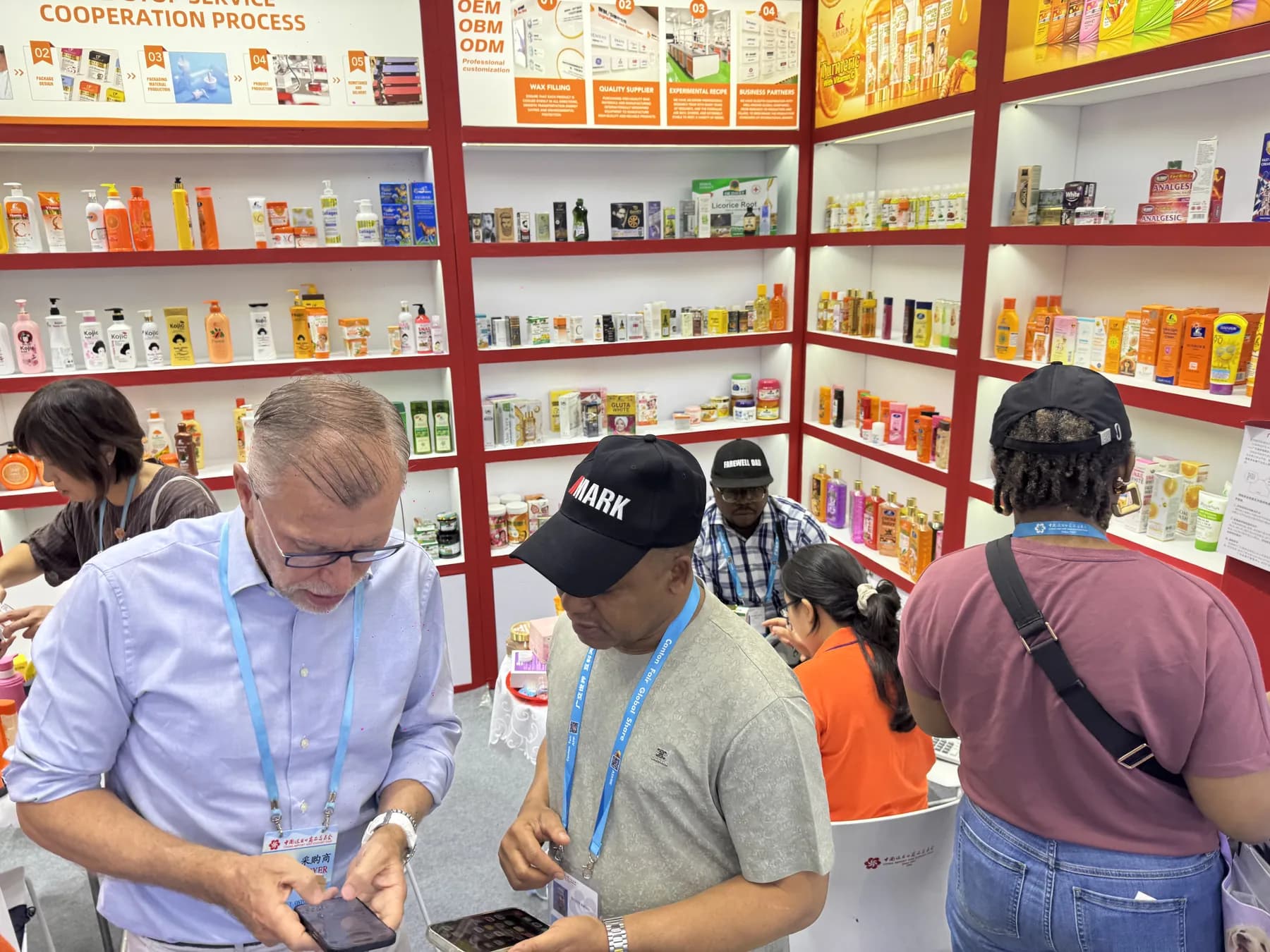
The first useful OEM/ODM conversation starts with a decision-ready brief rather than a request for a catalogue and best price. The brief does not need to solve every formula or packaging question. It should show what the brand has decided, what it prefers, what remains open and who can approve the next step. That distinction helps a factory respond with relevant questions instead of filling gaps with assumptions.
The intended market belongs near the top of the document because product presentation, label content, responsible parties and supporting records differ by destination and category. The brief should not claim that a formula or label is accepted for a market before the relevant review has taken place. It should identify the route that needs to be assessed.
Start with the commercial context
State the brand or company, product category, destination market, number of SKUs, target quantity per SKU and desired launch or delivery window. If the project has several sizes or fragrances, list them separately. One total quantity can hide the component and artwork work created by multiple small variants.
Explain the sales setting and intended user without adding unsupported outcomes. A hotel amenity, salon pack, retail body lotion and online gift set can require different pack, case and presentation decisions. Identify the commercial priority, such as a simple first range, a specific sensory direction or a coordinated multi-product set.
Describe formula direction without asking for a copy
Name the product format and the attributes that matter: texture, colour, fragrance role, application, rinse or leave-on experience and any ingredient direction. If a benchmark is supplied, explain which characteristics are useful and which are not. A physical product or photograph is a reference for discussion, not an instruction to duplicate another brand.
Separate mandatory constraints from preferences. A required exclusion, market condition or pack size should not be mixed with a fragrance family that can change during sampling. Ask the factory which requests require formula review, raw-material confirmation, additional evidence or a different product route.
Connect proposed claims to the final product
Provide the wording or positioning the brand hopes to use, but label it as proposed until formula, evidence, artwork and destination-market responsibilities are reviewed. Cosmetic and drug boundaries can differ by market, and a familiar phrase does not automatically fit every formula or intended use.
Ask what support is available for the agreed product and what would require further work. Do not let a marketing headline silently become a technical specification. The buyer should own the final public wording and obtain appropriate market advice where required.
Include packaging in the same brief
State the fill size, bottle, jar, tube or other format, preferred dispenser, component colour, decoration direction and carton requirement. Identify whether a stock route is preferred or whether custom components are open for discussion. If packaging is undecided, request one clearly named quotation basis and list the variables that remain open.
Note any buyer-supplied component, nominated vendor or reference pack. Describe expected consumer use, including wet handling or travel if relevant. Formula, closure and dispenser should be reviewed as a combination rather than as separate purchases.
Define the sample and approval process
Name the sample reviewers and the person with final approval authority. Ask for coded samples and use one consolidated feedback sheet. Score appearance, fragrance, pickup, spread, absorption or rinse profile, after-feel and dispensing separately so a revision request is actionable.
Record the approved sample code and the formula, fragrance, colour and packaging basis associated with it. If one element remains provisional, mark it clearly. A late change should identify affected checks, commercial terms and approvals instead of relying on a chat message.
Request documents at the stage they can exist
Facility information can be reviewed during supplier qualification. Ingredient, formula, packaging, batch and shipment records arise at different stages. Ask what can be provided now, what depends on an approved formula or component and what can only be issued for a produced batch.
This staged approach prevents a generic certificate from being mistaken for product proof and prevents teams from promising a batch document before there is a batch. State required language, format, review owner and due point for each requested item.
Use a complete first-brief checklist
- Brand, company and primary project contact
- Product category, intended user and use occasion
- Destination market and planned sales channel
- Quantity for each SKU, size and fragrance
- Formula, benchmark and sensory direction
- Mandatory ingredient, claim or positioning constraints
- Pack type, fill size, dispenser and decoration direction
- Artwork languages and carton requirement
- Sample reviewers and final approval owner
- Requested facility, formula, batch or shipment documents
- Desired schedule and decisions that remain flexible
Ask for a structured first response
A useful supplier reply should separate what can be proposed now, what needs a sample or component check, what information is missing and which commercial terms remain provisional. Ask the factory to repeat the assumed formula route, pack, quantity and delivery basis in its response. That makes misunderstandings visible before money and time are committed.
King Metis uses category, market, quantity, formula direction, packaging and timing as the starting inputs for an OEM/ODM discussion. A structured brief helps the factory-side team identify relevant next steps while keeping final product, evidence and commercial decisions project-specific.